I still recall my solo expedition to this place during the early days of my urban exploration career. I strolled past the ubiquitous Dunkin' Donuts, and with surprising ease, found myself inside the property, likely through an open garage entrance. I remember the anxiety, the fear of encountering someone inside who might be interested in my camera gear and wallet. But I pushed those thoughts aside and got to work, exploring every nook and cranny, save for the roof. The constant clatter from the neighboring recycling redemption business reminded me that I wasn't alone, and I didn't want to draw attention from anyone who might spot me from the adjacent property.
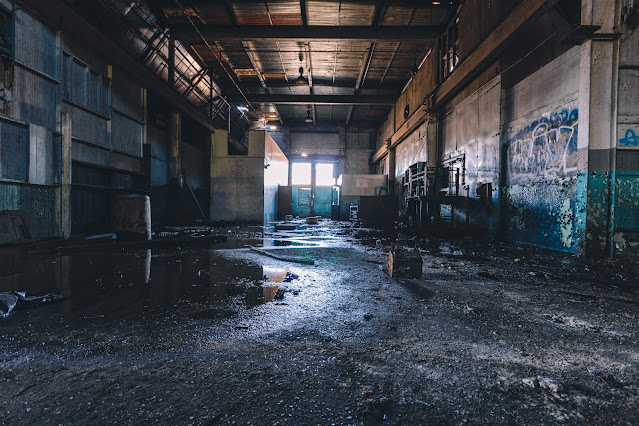
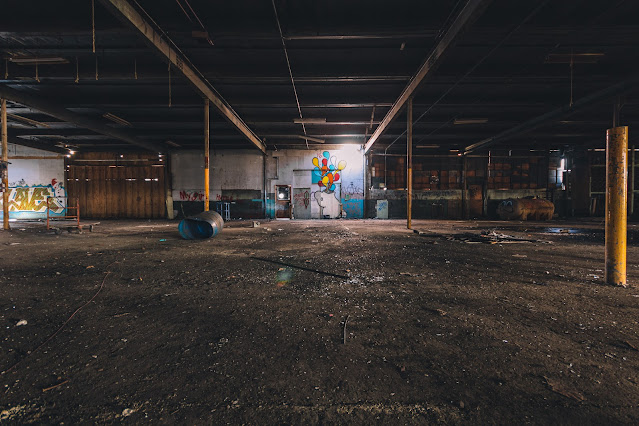
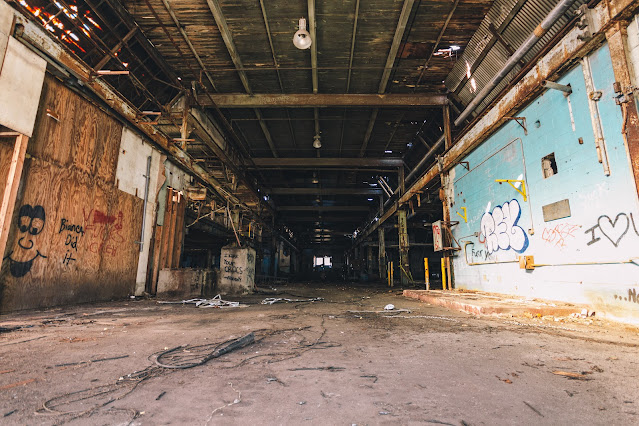
Masked against the dust, I delved into the exploration, avoiding the roof to stay out of sight. This was back in September 2016, when I ventured far and wide across Connecticut's cities and towns. The building was mostly empty, save for a few metal containers on the top floor. The walls, however, were a canvas of crude scribbles and impressive graffiti pieces, a testament to artists long gone.
Ross & Roberts, Inc., nestled in Stratford, Connecticut, was a beacon of industry. This manufacturing plant was erected in 1916 as a mammoth industrial structure. A fabric laminating and bonding manufacturer, it produced and specialized in calendared vinyl film and sheeting, sheets, films, and vinyl-coated fabrics, and employed around 125-300 people. The process of creating calendared vinyl involves running a PVC paste through a series of rollers, heating it, and stretching it into a flat sheet, much like rolling out dough. On the other hand, cast vinyl is poured into a mold in its liquid form, cooled, and then reheated to cure. This makes it more durable, flexible, and expensive than calendared vinyl, perfect for long-term applications like vehicle graphics and lasting signage. In 1979, the company found itself in hot water with the Environmental Protection Agency (EPA) for noncompliance with Connecticut Regulations for the Abatement of Air Pollution and the Clean Air Act due to non-compliant air emissions from its coating lines.
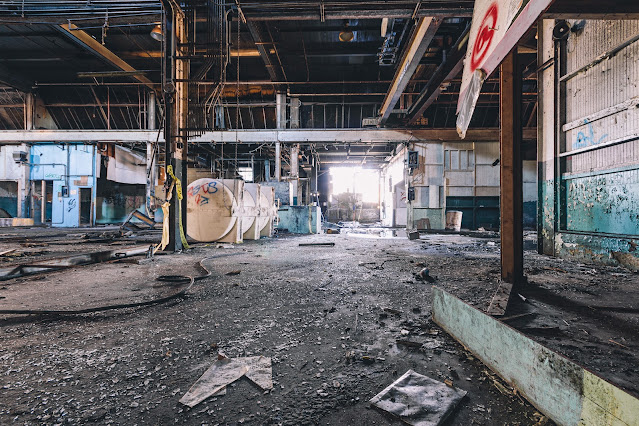
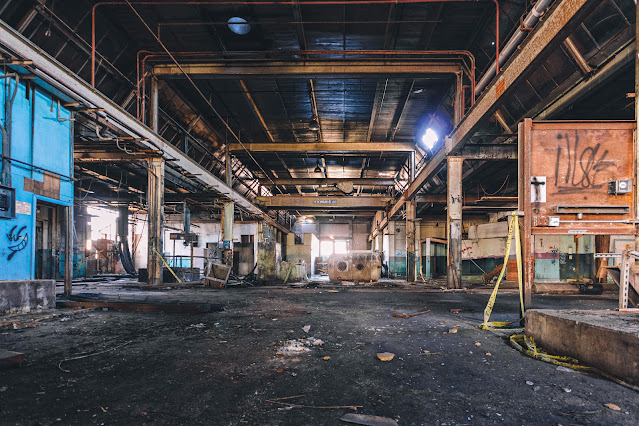
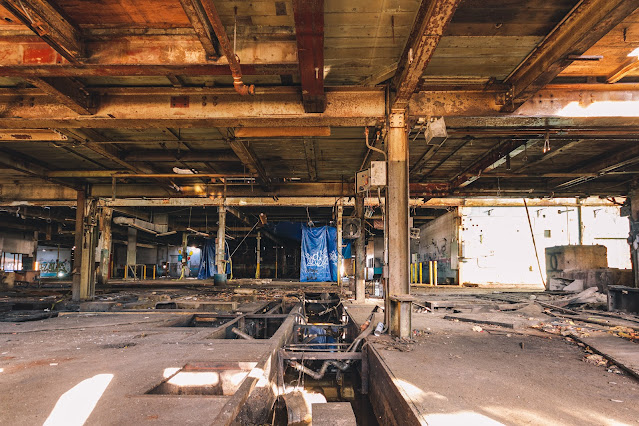
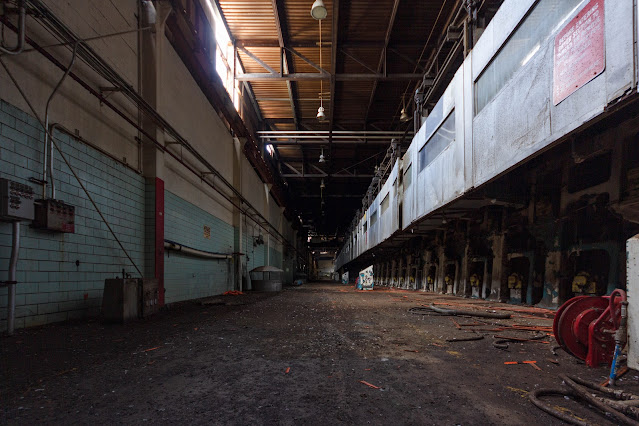
From the stories of past employees and kin of workers dating back to 1943, it seems the plant's golden goose was vinyl production. The facility was a labyrinth of chemical barrels, essential for manufacturing. Three separate calendars operated in shifts, keeping the plant buzzing around the clock. However, the plant ceased operations in early 2008. The alleged culprit? The steep costs of running the facility and increased taxation eventually forced its closure.
Complex Name (Aliases): Ross & Roberts Manufacturing Plant
Location: 1297, 1299 West Broad Street, Stratford, CT
Current status: As of now, the building is no more. It was demolished in the fall/winter of 2009 for $178,000.
Sources:
1. Abandoned Building – Stratford, CT, Journeysthrumylens
🏭 Did You Work at Ross & Roberts?
Were you one of the 125-300 employees at the Stratford vinyl plant before its 2008 closure? Do you have photos from the factory floor, product samples, or memories of the three calendar shifts running around the clock? Your stories preserve what was demolished in 2009.
Drop a comment below or contact me directly. Full credit given to all contributors.
🏭
More Connecticut Manufacturing History


-20.jpg)



Comments
Post a Comment